
Not every sport lives on TV. Away from stadium lights and streaming platforms, there are games played in fields, warehouses, alleys, and rural arenas where no cameras record what happens. Yet money still moves. Bets still rise. And without public stats, bettors enter a world where information is scarce and trust is fragile: it’s nothing compared to the experience at 22Bet live casino.
The Appeal of the Unseen Match
Some gamblers are tired of overanalyzed sports. In major leagues, numbers rule everything. Models predict outcomes. Odds change in seconds. Edges disappear. But in sports with no cameras, no performance trackers, and no official commentators, the uncertainty itself becomes the attraction. Winning means out-informing everyone else.
The Local Expert Advantage
In sports without coverage, local knowledge rules. The bettor who knows that a boxer injured his wrist last week has an edge. The bettor who hears that a star greyhound slept poorly before a race has leverage. In these markets, knowing a competitor’s mood, diet, or arguments with coaches matters more than analytics.
Trust Instead of Technology
There are no public spreadsheets to check. There is no camera crew validating fairness. Bettors rely on eyewitnesses, insiders, or contacts who claim to know what happened. A single unreliable source can change everything. Some bettors protect networks of informants like trade secrets.
Games Too Remote for Broadcast
Around the world, countless sports exist far from technology:
• provincial horse racing
• underground arm-wrestling tournaments
• rural football derbies
• desert camel races
• dockside boxing nights
These competitions thrive without cameras, yet betting communities follow them passionately.
The Myth of “Pure” Betting
Some bettors claim no-camera sports feel authentic and uncorrupted. They say analytics destroyed the thrill of risk. But this environment isn’t pure—it is unpredictable. Without transparency, emotion plays as big a role as skill. Bettors can win big or lose big based on invisible factors.
When the First Camera Arrives
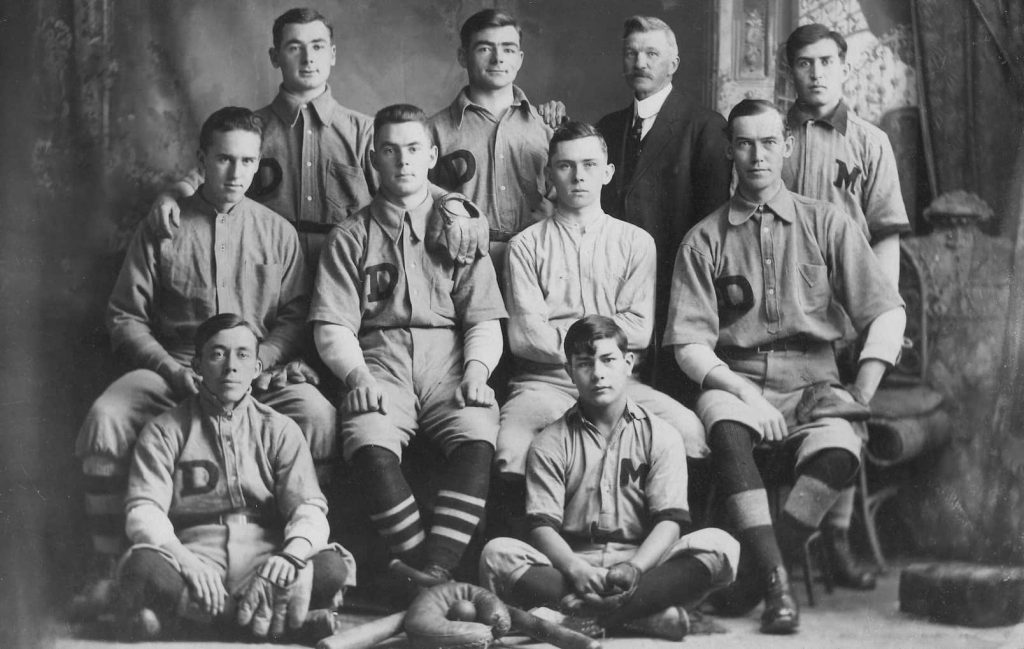
The moment a sport begins broadcasting, everything changes. Odds tighten. Edges shrink. Insider knowledge loses value. Analytics firms appear. The wildness fades. Some bettors leave immediately because their advantage disappears the moment the camera shows up.
Why Bookmakers Like Hidden Sports
Hidden sports are profitable for bookmakers. Lack of footage means fewer disputes, fewer refunds, and no video controversies. Odds can be adjusted slowly because public reaction is slow. When information is scarce, bookmakers don’t have to justify their lines—they simply set them.
The Underground Odds Movement
Oddsmakers in these scenes rely on a mix of:
• whispers from trainers
• social media fragments
• historical intuition
• venue conditions
• gossip from locals
They build numbers from fragments. Their confidence becomes the market.
Corruption Without Cameras
No-camera sports raise uncomfortable questions. Without video, small manipulations are harder to detect:
• intentional fouls
• biased referees
• paid fighters taking dives
• selective reporting to bettors
Some gamblers avoid these scenes because they cannot trust what they cannot see. Others thrive because they navigate the uncertainty better than most.
The Social Nature of a Market With No Screens
These betting cultures form friendships, rivalries, and hierarchies. Knowledge is power. Loyalty matters. Betrayal can be expensive. Winning comes not only from skill but from reading people—earnest informants vs storytellers vs schemers.