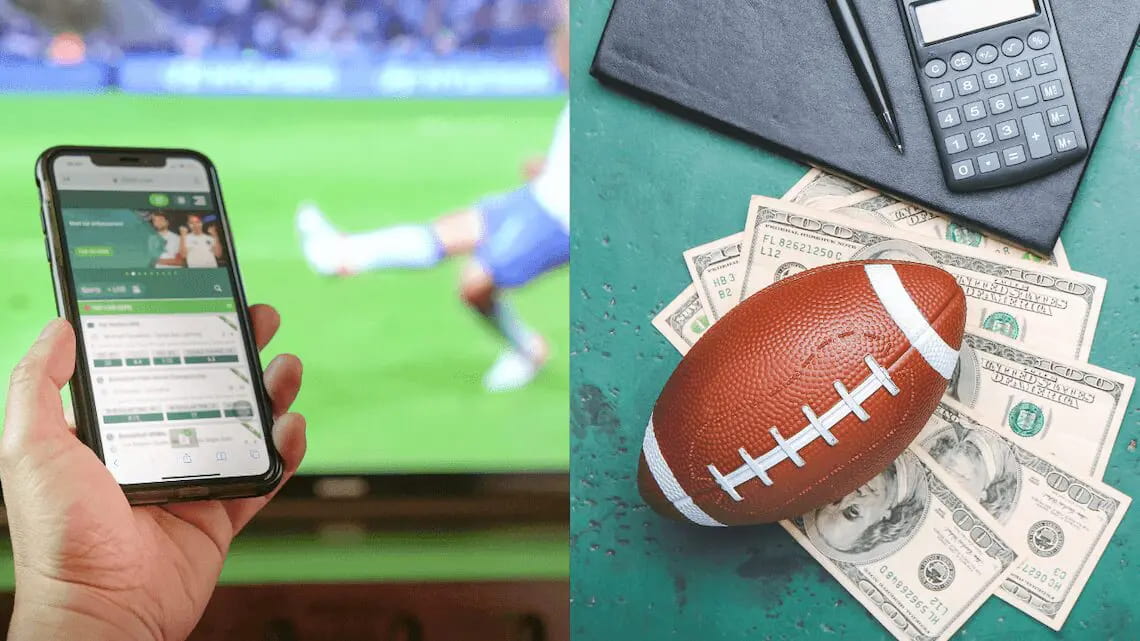
Sports betting is often described as a battle between bookmakers and players — but the truth is more layered. Not all bettors are equal. A small percentage of highly skilled, data-driven players, known as sharps, quietly shape the betting markets every single day. Their decisions move odds, shift lines, and even force bookmakers to rethink their pricing. So casual bettors can bet safely with 20Bet login.
So the big question emerges: Do sharps really influence odds? And if yes, can regular players detect those movements and use them to their advantage?
Short answer: absolutely.
How Sharp Bettors Shape the Betting Lines
1. Who Are “Sharps” and Why Bookmakers Fear Them
Sharp bettors aren’t gamblers in the casual sense. They are analysts with:
- models,
- historical databases,
- strict bankroll discipline,
- and an almost robotic emotional balance.
Bookmakers quickly recognize them because:
- they win consistently,
- they bet early (before the public),
- they target mistakes in odds instead of chasing excitement.
Sharps rarely care about “spectacle.” They care about value. And when a sharp finds value, their bets send a loud message to bookmakers.
2. How Their Bets Move Odds
Bookmakers treat sharp action as a warning signal. Even a modest sharp bet can trigger an odds adjustment.
For example:
If the Kansas City Chiefs start at 1.90, and a cluster of sharps hits that line hard, the price may instantly drop to 1.75.
Why? Because the bookmaker respects their readers more than the general public’s opinion.
Why Regular Players Should Watch Line Movement
Early Moves = Sharp Moves
Public bettors typically arrive late — hours before the match or even minutes before kickoff.
Sharps act early, often within the first few hours of a market opening.
So the first big shift in odds usually means:
- someone with expertise spotted mispricing,
- and the bookmaker corrected it.
Late Moves Can Still Reveal Something
While early movement is the clearest signal, late surges also matter.
They often reflect:
- lineup leaks,
- weather updates,
- or sharp “buy-back” (a pro trick to profit from volatility).
Understanding these shifts helps casual players avoid bad lines and find more stable value.
How to Recognize Sharp Signals Without Being a Pro

Here are practical, beginner-friendly clues that don’t require spreadsheets or special software:
1. Look for Sudden Price Drops
When odds fall quickly — especially on sports with lower betting volume — it’s rarely random.
A sharp-driven drop often looks like this:
- odds fall by 0.10–0.20 units,
- no major news is public yet,
- but the entire market adjusts across several bookmakers.
2. Compare Multiple Bookmakers
If only one bookmaker adjusts odds, it’s noise.
If five or more suddenly shift at the same time — that’s a signal.
3. Watch the Underdogs
Sharps often bet on underdogs because public bettors inflate favorites.
Signs sharps might be on an underdog:
- the underdog price drops,
- the favorite price increases slightly,
- betting volume from the public remains unclear.
Sharps don’t chase popularity — they chase probability.
4. Follow Reverse Line Movement
This is the clearest sharp indicator:
- majority of public bets are on Team A,
- but odds move in favor of Team B.
That means:
The money influencing the market isn’t public money — it’s smart money.
Final Thoughts: Sharps Don’t Predict Everything — They Just Read Better
Sharp bettors absolutely influence odds. They shape the early market, correct bookmaker mistakes, and reveal where the real value lies. But the good news is: you don’t need to be sharp to benefit from their moves.
By tracking:
- early line shifts,
- reverse movement,
- sudden synchronized odds changes,
regular bettors can make smarter, calmer decisions — without pretending to be mathematical geniuses.
Sharps show the direction. You decide whether to follow the trail.